Humidity dan Furniture Kayu: Panduan Untuk Rumah di Malaysia
Kelembapan yang tinggi di Kuala Lumpur, Johor Bahru dan seluruhAsia Tenggara memberi kesan yang nyata kepada kayu. Kayu boleh menyerap lembapan, membengkak, mengecut, melengkung atauCLUS retak apabila状态的 udara berubah dengan cepat. Untuk-Isu rumah dan kondominium, understandings tabletop moisture, one thing that needs to be done from the table selection stage—not just after furniture arrives at the door. A dining table is used every day, and long-term exposure to humid air can damage its surface, joints and stability.
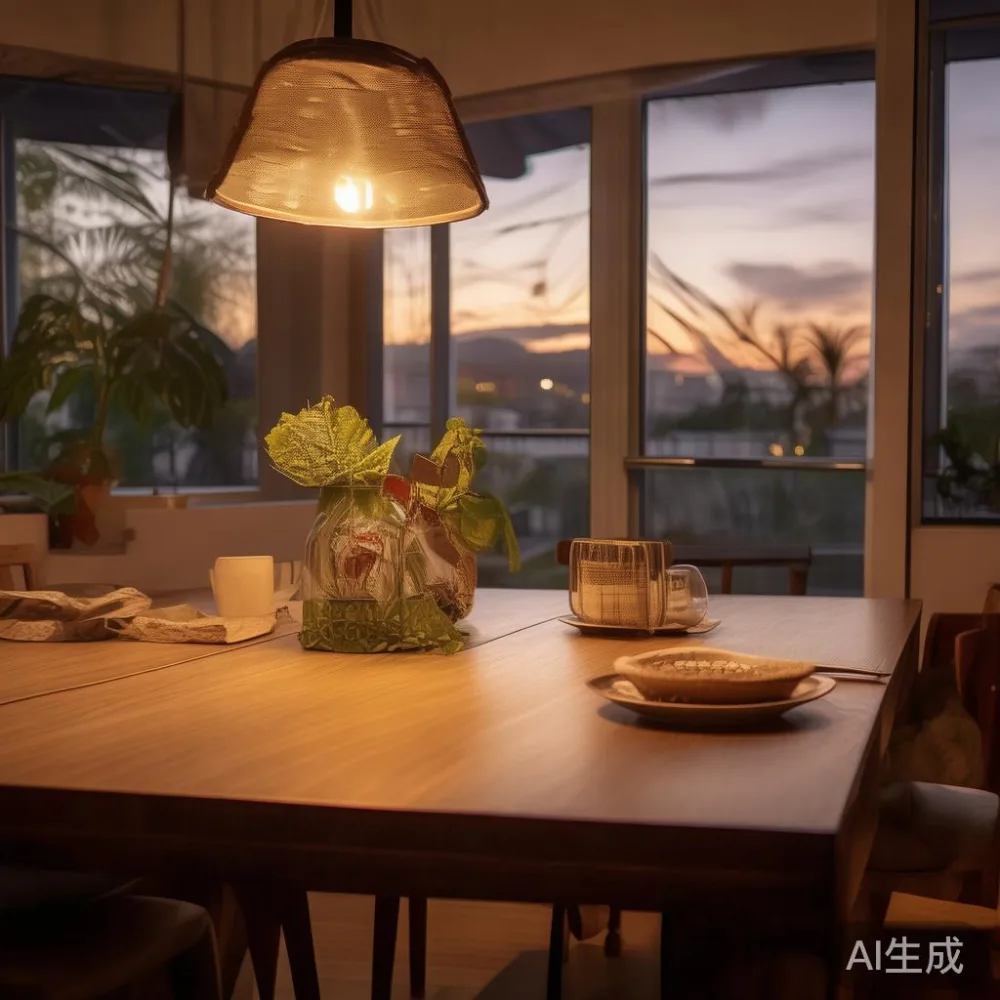
Artikel ini'll explains humidity, wood movement and practical care for dining-table-my, without being too technical. We also discuss solid wood furniture for bedrooms, wardrobes and side tables, while keeping the focus on the dining table. MIDHILL has been producing solid wood furniture since 2008, exporting to more than 15 countries. The company provides a 10-year structural warranty, lifetime refinishing, free shipping over US$350 and a 14-day return policy. Shipping prices in this article are stated in MYR where relevant, because customers in Malaysia need local guidance.
Why does Southeast Asian humidity affect solid wood?
Air always contains water vapour. In humid weather, relative humidity can rise to 80% or more, especially after afternoon showers and at night. In air-conditioned rooms, humidity may drop to 45% or even 40%. These changes cause wood to gain or lose moisture.
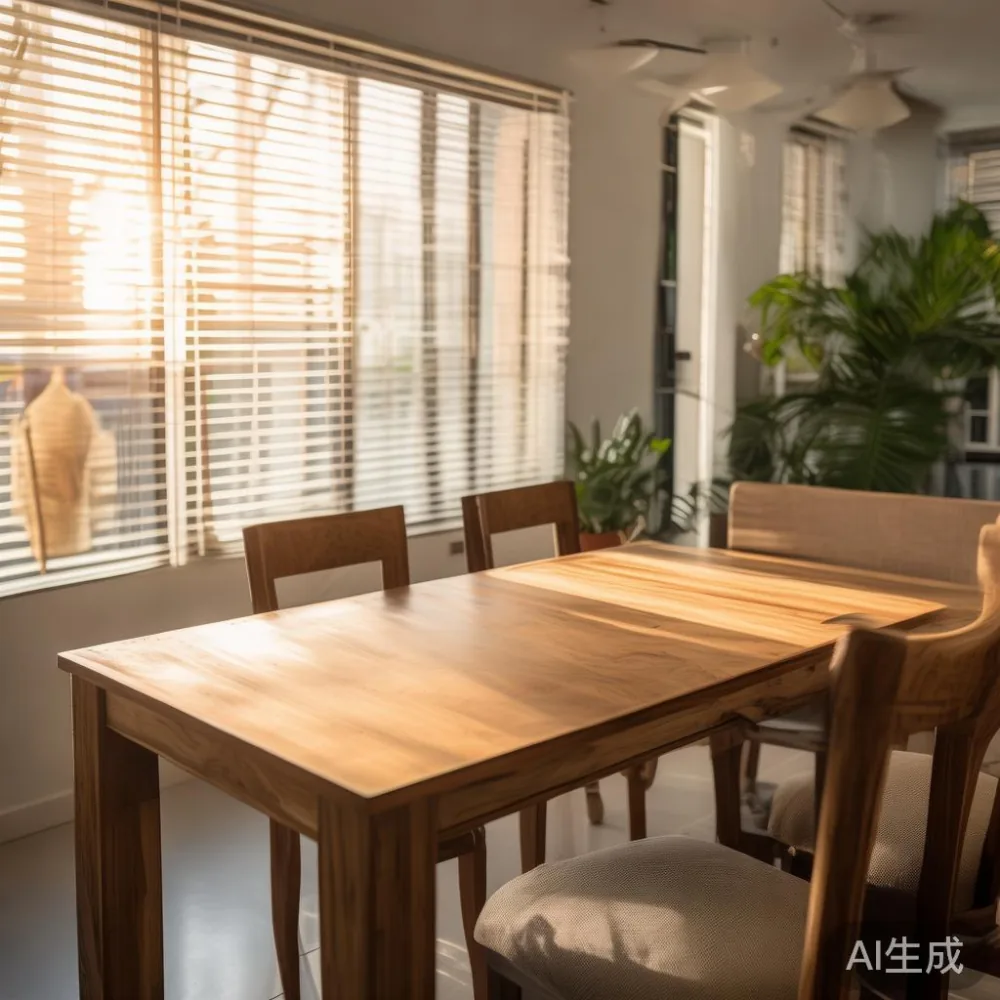
Wood is not a rigid, inert material. Its fibres expand when damp and contract when dry. A table top may change by 1–3 mm across a 120 cm width during a strong humidity cycle. That amount is small enough to be invisible in a photograph, but large enough to stress joints, create gaps or cause a door to catch.
Temperature also matters. A surface may reach 32°C during the day and fall to 24°C at night. Repeated changes from heat and humidity accelerate finish wear. In Johor Bahru, a dining area near a kitchen window can experience both conditions: warm air during cooking and damp air after rain.
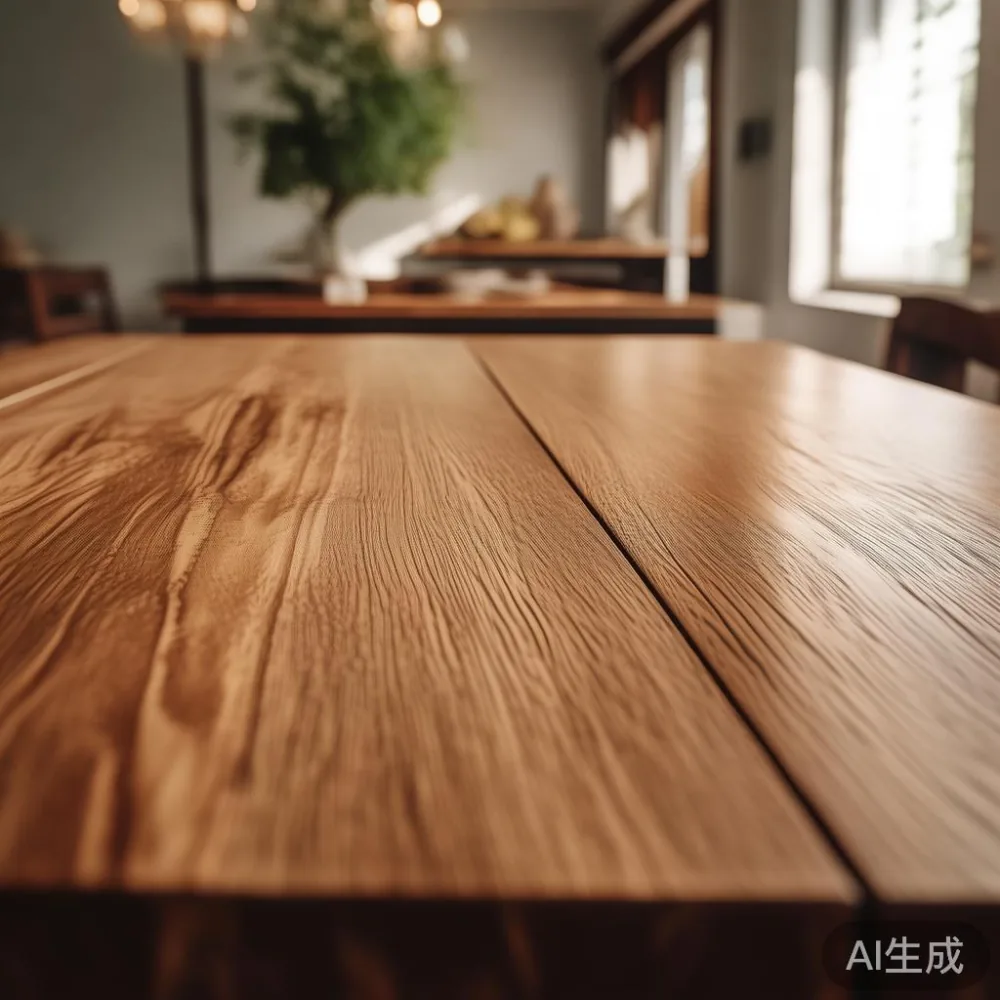
For dining-table-my, choose solid wood with a stable construction, not a very thin decorative top. A top around 2–3 cm thick generally feels substantial and has more moisture resistance than a thin panel. Look for flush grain, clean joins and a finish that can be maintained. Avoid placing a hot serving dish directly on the surface; use a trivet measuring at least 25 × 25 cm.
How can I test humidity before buying a dining table?
Use a small digital hygrometer, preferably one with a humidity memory function. Place it near the dining area for 7 days. Record readings at 8 am, 2 pm and 10 pm. A stable indoor range of about 50–65% relative humidity is comfortable for people and wood. Occasional readings above 70% are not a disaster, but constant exposure above 75% deserves attention.
Last month I visited a condominium in Kuala Lumpur with my colleague. The resident had placed a dining table beside a sliding glass door. During the visit, the hygrometer showed 78% for three consecutive evenings. The table had small white marks near a joint, while the opposite side had already dried slightly. We moved the table 60 cm away from the door, reduced washing near the dining area and kept the air conditioner running at 24°C for two hours each evening. After 14 days, the readings fell to 64–68%.
This simple test costs about RM25–RM60 and takes 7 days. It gives more useful information than guessing from a single weather forecast. For a dining-table-my purchase, ask the seller for the wood species, thickness, finish type and care instructions. Clear information helps you match the product to your home’s daily humidity.
Which wood and finish are more suitable for Malaysian homes?
Teak, oak, ash and other properly kiln-dried hardwoods can work in Malaysia when care is consistent. Teak has natural resistance to moisture, while oak gives a pronounced grain and a bright appearance. Ask whether the wood has been dried to a moisture level suitable for the destination. A target around 8–12% is commonly used for indoor furniture, but the exact figure depends on the species and climate.
Finishes differ too. A hardwax oil or low-satin lacquer can protect the surface while retaining the look of natural grain. A high-gloss film may show fingerprints and small changes more easily. For a luxurious French provincial dining room, choose a warm honey or walnut tone with restrained carving. For a luxurious American style, use a clear finish that highlights the grain. For luxurious postmodern design, combine a solid wood dining-table-my with simple lines and carefully selected lighting.
Do not confuse water resistance with waterproofing. A finish can slow moisture absorption, but it cannot stop wood movement forever. Wipe spills within 10 minutes, dry the surface with a soft cloth and avoid leaving damp coasters or paper menus overnight. Use coasters of 10–12 cm diameter under glasses and bowls.
What should I do when a solid wood dining table arrives?
Allow the furniture to acclimatise before tightening or moving it into permanent use. Keep the table in its packaging or protective covering for 24–48 hours if possible. Do not place it directly on a wet floor. In a high-rise lift lobby, carry it in with two people and protect the corners with blankets at least 2 cm thick.
Check the table against your dining space. A seating width of 55–60 cm per person is comfortable. For 6 people, a table measuring 180–200 cm by 85–90 cm is a practical starting point. Leave at least 90 cm between the table edge and a wall or another major obstacle for movement and chair use.
Inspect the underside, legs, joints and finish under daylight. Look for cracks longer than 5 mm, open seams, loose fasteners or dark water stains. Photograph the condition before assembly. For delivery, confirm the day, time, lift booking and any staircase charge. A local delivery within Kuala Lumpur may take 3–7 days after stock confirmation, while a custom order can require 4–8 weeks.
MIDHILL’s 10-year structural warranty applies to eligible structural components under the stated terms. It does not mean that wood will never react to humidity. The lifetime refinishing service gives owners a path for restoring a worn surface over the furniture’s life, while the 14-day return policy allows a new purchase to be reviewed under the published conditions.
Can humidity damage a sofa kayu pepejal, rangka katil and other solid wood furniture?
Yes. Although this article focuses on dining-table-my, the same moisture principles apply to a sofa kayu pepejal, rangka katil and wooden storage furniture. A solid wood frame can loosen at joints if it repeatedly swells and dries. Upholstered seating may develop mould if foam or fabric stays damp, so keep it at least 30 cm away from an exterior wall that shows dampness.
For a bedroom, a rangka katil with slats spaced 5–8 cm apart allows air movement below the mattress. Keep the bed 10–15 cm away from the wall where possible. A wardrobe should have a small rear ventilation gap of 3–5 cm, especially in a corner with limited airflow.
Almari baju need their doors checked regularly. In humid weather, wipe the hinges with a dry cloth every 2 weeks. Do not force a swollen door; adjust the hinge or let the room dehumidify. If you are considering under 2000 Minimalist furniture, check whether the wardrobe has solid wood panels, soft-close hinges and a moisture-resistant finish. The phrase “under 2000 Minimalist furniture” is useful for initial comparison, but dimensions and construction matter more than a low price.
A meja sisi near a balcony door should be moved indoors when rain is heavy. Keep it 40 cm from the opening. For bedside tables, use a small coaster and remove damp books at night. These habits reduce the risk without making the home look fussy.
What are the best ways to control humidity in a condominium?
Start with airflow. Run fans for 20–30 minutes after cooking or showering, and use exhaust ventilation in the kitchen and bathroom. Clean air-conditioner filters every 2–4 weeks because blocked filters reduce dehumidification. If the condominium has poor ventilation, a standalone dehumidifier may be useful. Choose a model rated for the room area; a unit designed for 20 m² should not be expected to control a 60 m² living-and-dining space.
Keep a reasonable distance from walls. Solid wood furniture should usually stand 3–5 cm away from a cool surface. Avoid direct air-conditioner airflow, which can dry one side of a table faster than the other. A relative humidity target of 55–65% is a sensible daily target for most Malaysian dining areas.
Mop floors with a damp cloth and dry them immediately. During heavy rain, close balcony doors and keep wet laundry outside the dining zone. Use curtains or blinds to limit direct afternoon sun. If mould appears, treat it promptly; household humidity is not a replacement for professional building-maintenance advice.
For a hotel or serviced residence, French provincial for hotel is a design direction that can suit a dining lounge, but timber treatment must match the building’s air-conditioning pattern. Ask for sample pieces, a 7-day humidity reading and written care instructions before specifying a large dining-table-my order.
How do I style Japandi and Japanese-inspired rooms without trapping moisture?
Japandi design works well in a Malaysian condominium because light wood, simple storage and uncluttered surfaces make a compact home feel calmer. If you are searching for how to style Japandi wardrobe in apartment, keep the wardrobe away from a bathroom wall, use closed storage for clothes and leave 3–5 cm behind the unit. A low platform can be suitable, but avoid placing a moisture-sensitive frame directly on a damp balcony floor.
When considering how to choose Japanese wardrobe, check the joinery, wood thickness, hinge movement and finish. A useful inspection list includes 4 questions: Is the back panel ventilated? Are the doors adjustable? Is the finish renewable? Does the supplier provide a structural warranty? For a Japanese-inspired bedroom, allow 24–48 hours after delivery before loading heavy clothing into new joinery.
A European light luxury TV console may sit in the same living-dining zone, but it should not block ventilation grilles or be pushed against an exterior wall. Leave 5 cm behind the console and use cable clips to prevent wires from trapping dust. The same care mindset protects a dining-table-my nearby.
How often should a solid wood dining table be maintained?
Wipe the table daily with a soft, slightly damp cloth, then dry it immediately. Clean the underside every 2 weeks and inspect the joints monthly. Re-oil or renew the finish according to the finish type and the amount of use. A lightly used dining-table-my may need maintenance every 12–24 months; a table used several times a day may need attention sooner.
Never use bleach, ammonia, abrasive powder or soaking water on solid wood. Test an unfamiliar cleaner on a hidden 5 × 5 cm area for 24 hours. If a coating begins to peel, stop applying more product and ask for professional refinishing advice.
When shopping, compare delivery time, warranty, returns and after-sales support as carefully as measurements. MIDHILL’s free shipping threshold of over US$350 is stated for eligible orders, while local MYR pricing and delivery arrangements can vary by destination and product. Ask for the final amount before payment, including any lift or stairs surcharge.
A good dining table should feel generous, level and comfortable through wet afternoons and dry air-conditioned evenings. Choose a stable solid wood construction, give the timber room to move, keep humidity reasonably controlled and respond quickly to spills. Those simple actions protect the furniture’s appearance, strength and daily usability for many years.